EN
EN
 AR
AR
 BG
BG
 HR
HR
 CS
CS
 DA
DA
 NL
NL
 FI
FI
 FR
FR
 DE
DE
 EL
EL
 HI
HI
 IT
IT
 JA
JA
 KO
KO
 NO
NO
 PL
PL
 PT
PT
 RO
RO
 RU
RU
 ES
ES
 SV
SV
 TL
TL
 ID
ID
 LV
LV
 SR
SR
 SK
SK
 UK
UK
 VI
VI
 HU
HU
 MT
MT
 TH
TH
 TR
TR
 FA
FA
 AF
AF
 MS
MS
 GA
GA
 IS
IS
 LA
LA
 KK
KK

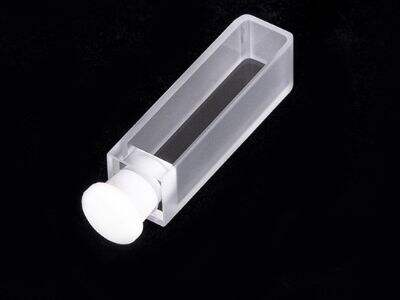
It is important to train the lab technicians in safe handling of glass and quartz cuvettes. Intensity Calibrators Cuvettes and Culture Tubes Cuvette, glass Cuvettes for Laboratory Use: Cuvette Accessories: Glass. They are made of glass or quartz and both types are delicate. If not handled with care, they are easily broken. From this, you can expect accidents, waste of materials, and possibly even injuries. Want to learn how to use these cuvettes in a safe Jinke Optical, we aim for our technicians to get trained on handling the cuvettes. Good training helps us all to work better in the laboratory and makes our working environment safe
Lab Technician Tips: How to Correctly Use Glass and Quartz Cuvettes
To ensure that lab technicians handle glass and quartz cuvettes in the right way, you can concentrate on a few simple things. For one, technicians should be wearing personal protective equipment (PPE) such as gloves and goggles. This protects them if a cuvette breaks. They also need to know the proper way to hold the cuvettes. The sides of the cuvettes should be grasped gently without applying pressure. In this manner they lessen the likelihood of becoming cracked. When stomping cuvettes on the table, it should be done so gently to avoid sudden shocks
Sessions should also involve training to clean cuvettes. Operators must be trained to employ soft clothes and specially formulated cleaning agents that are in action so as not to scratch or otherwise harm the cuvette. Quartz cuvettes should never be cleaned with harsh chemicals that will damage them. In addition, technicians should be trained to check cuvettes same before use. They should look for breakage or chips. This would ruin experiments and deliver incorrect results
And it’s important to have a well-organized workspace. Technicians also should have specified places for cuvettes and other glassware. This means they are protected from accidental knocks and drops. Instruction should also include cuvette storage procedures. They need to be housed in cushioned boxes or tubs to thermo-insulate them from breakage
Finally, they should have procedures in place for what to do if a cuvette does break. They have to follow safety protocols while cleaning up the area so that they don’t get injured. That means a broom and dustpan, not their hands. Clear instructions and some practice on cleaning broken glass could help keep everyone safe
How Should Lab Technicians Be Trained to Handle Cuvettes
Training laboratory staff on the handling of cuvettes should be comprehensive and interesting. To begin, consider the classes of cuvettes used in the lab. Distinguish between glass and quartz, and describe the importance of each. Employ visual aids such as images or actual cuvettes to make it interactive. This is to help the techs remember better; they see and touch the materials they will be installing
Next, hands-on practice is essential. Demonstrate how to manage cuvettes, and allow technicians to practice handling and using them. They are designed to work in pairs, and hence will involve feedback and discussion. This peer learning can be incredibly useful. And role-playing can be a fun way to teach what to do in the case of breakage. It allows technicians to play out scenarios, which is easier for people to recall than words or flat images
It’s also a good idea to do regular training refreshers. You stumble on details over time. Toggle on short refresher classes every couple of months to keep everyone sharp. Technicians can use these opportunities to exchange their experiences, talk about difficulties etc. This leads to a team atmosphere with safety and control as the first concern
Printing guides or checklists can help training. These would be to feature some user’s manual to take care of, clean and store cuvettes. These can be used for easy reference in the lab. It’s also helpful to ask questions during training. This speaks to everyone’s fears and this is a good thing
Lastly, always celebrate safe practices! Let technicians know when they do a good job of managing cuvettes without untoward events. reward drives the right behavior which is the best practice to follow. The importance of fostering a safety culture is not confined to cuvette handling it impacts the lab as a whole. Jinke Optical believes that with proper training, our lab technicians will be able to manage glass and quartz cuvettes in a safe and effective manner
Where to Get Full Training Resources for Cuvette Handling
It is very important to train the laboratory technicians on how to handle glass and quartz cuvettes properly in order for the results of experiments to be accurate. You need to get Jinke Optical Co., LTD from right here if you want nice training details. They provide guides, tutorials and videos on how to properly use cuvettes. Again, these materials are easy to understand and simplified even for beginners. Also look into online courses or webinars that cover laboratory techniques. Sites like these generally include interactive lessons that will keep learners engaged Another excellent source is books or manuals on lab procedures. Many such books even have chapters dedicated to cuvette care and use. This makes them useful for technicians who can pick up practical hands on knowledge of a cuvette in these colleges or universities.” Further assistance can be obtained from the experienced colleagues They can impart tips and knowledge from their own life. Consider joining an online forum or group that revolves around lab work. They will support each other by sharing resources and tips, which can be invaluable for someone new to the job. Keep in mind, The more you know about cuvette handling the better your results will be
How to Handle Glass and Quartz Flow Through Cuvettes
If lab technicians use glass and quartz cuvettes, they can encounter some problems. Scratches on the cuvettes are one of the commonest problems. One of the problems is that scratches can obscure the samples, meaning results could be wrong. To avoid marking, especially of plastic cuvettes, the cuvettes should be handled carefully by technicians and cloths or other devices suitable for cleaning always used. Another problem is air bubbles in the liquid of the cuvettes. Bubbles can influence the transmission of light through the sample and affect accuracy. The cuvettes should be filled slowly and gently, to prevent bubbles. If bubbles appear, the cuvette can be tapped lightly to help them rise to the top. Sometimes the cuvettes won't sit properly in the machine. This can occur if they are dirty, or if the machine is not configured properly. to make sure that everything works crisply, both the cuvettes and machines should be cleaned regularly. Technicians should also confirm that they are using the correct cuvette for their particular tests. The cuvettes for another type of those employed in UV or visible light experiments. Training that homes in on these common issues can help techs learn how to respond efficiently and appropriately
What essential skills should lab personnel learn before handling cuvettes
And there are some important skills lab technicians would also need to learn in order to handle glass and quartz cuvettes properly. First, they need to be knowledgeable on how to clean and care for the cuvettes. This means things such as knowing what cleaning agents are allowable and how to treat the cuvettes so that you don’t damage them. Also, personnel must be trained to properly load cuvettes with liquids. That means understanding how much of a liquid to include, and how not to make bubbles. Yet another important ability is to know how to read measurements correctly. Technicians need to be able to operate the machines that read the cuvettes. That means knowing how to properly configure the machine and how to read the results. They should also be instructed to trouble shoot any following faults that could occur when working with cuvettes. That might involve learning how to troubleshoot problems with results, or targeting what’s causing equipment to go haywire. Communication skills are also important. Technicians must be able to communicate their findings with their team members effectively and ask for assistance if they run into trouble. Jinke Optical can assist in training and resources to help build the understanding of these competences. By developing these basic skills in the use of glass and quartz cuvettes, lab technicians will feel more secure and efficient which should assist them to get better results from their work
Table of Contents
- Lab Technician Tips: How to Correctly Use Glass and Quartz Cuvettes
- How Should Lab Technicians Be Trained to Handle Cuvettes
- Where to Get Full Training Resources for Cuvette Handling
- How to Handle Glass and Quartz Flow Through Cuvettes
- What essential skills should lab personnel learn before handling cuvettes