EN
EN
 AR
AR
 BG
BG
 HR
HR
 CS
CS
 DA
DA
 NL
NL
 FI
FI
 FR
FR
 DE
DE
 EL
EL
 HI
HI
 IT
IT
 JA
JA
 KO
KO
 NO
NO
 PL
PL
 PT
PT
 RO
RO
 RU
RU
 ES
ES
 SV
SV
 TL
TL
 ID
ID
 LV
LV
 SR
SR
 SK
SK
 UK
UK
 VI
VI
 HU
HU
 MT
MT
 TH
TH
 TR
TR
 FA
FA
 AF
AF
 MS
MS
 GA
GA
 IS
IS
 LA
LA
 KK
KK

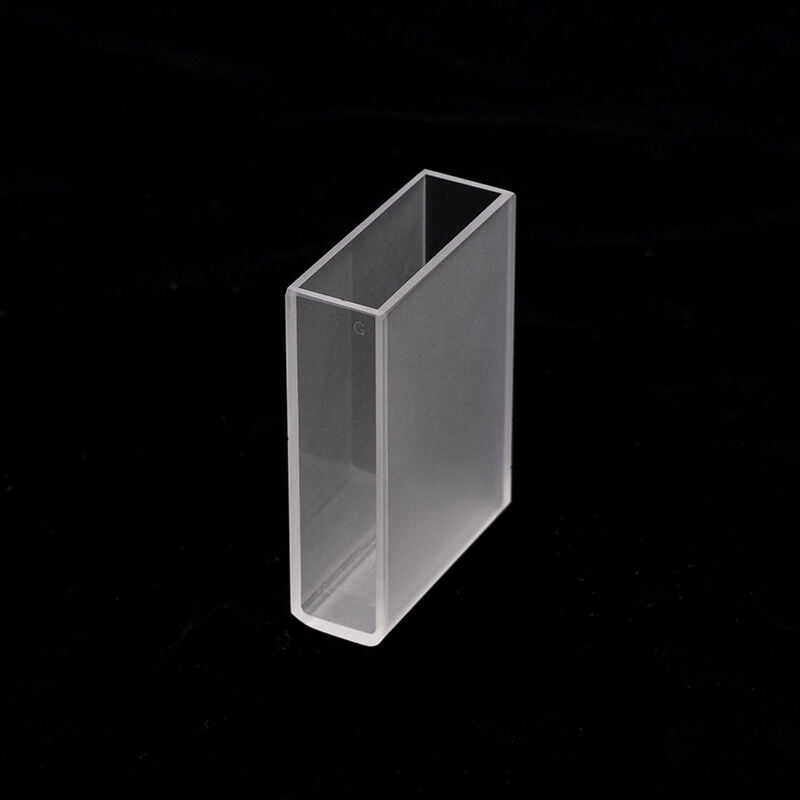
UV-Vis 분석기기를 사용할 때 측정에 적합한 큐벳(cuvette)을 선택하는 것이 매우 중요합니다. 큐벳은 액체 시료를 담아 검사에 사용하는 소형 관 또는 기타 용기입니다. 큐벳 내 시료를 통과하는 빛의 투과율은 큐벳의 재질뿐 아니라 큐벳이 침지된 액체의 성질에 따라 달라질 수 있습니다. 이를 굴절률(refractive index)이라고 합니다. 시료의 굴절률과 큐벳의 굴절률이 잘 일치하지 않으면 측정 결과에 오차가 발생할 수 있습니다. 실험 결과는 정확한 측정값을 제공해야 합니다. 큐벳을 업무에서 자주 사용하는 과학자나 연구자라면, 진커 광학(Jinke Optical)에서 제조한 큐벳을 활용하시면 시료의 굴절률과 정밀하게 일치시켜 최적의 측정 결과를 얻을 수 있습니다.
굴절률에 따른 UV-Vis 분광법용 적절한 큐벳 선택
정확한 큐벳을 선택하려면 굴절률이 무엇을 의미하는지 명확히 이해하는 것에서부터 시작해야 합니다. 각 액체 또는 물질은 고유한 굴절률을 가지며, 이는 빛이 해당 물질에 진입할 때 얼마나 굴절되는지를 나타냅니다. 시료의 굴절률과 큐벳의 굴절률이 서로 가까울수록 큐베트 측정 결과는 더욱 명확하고 정확해집니다. UV-Vis 분석의 경우, 가장 일반적으로 사용되는 쿠베트는 굴절률이 높은 샘플에 적합한 석영 또는 유리 재질입니다. 또한 측정 대상 액체의 특성도 고려해야 합니다. 예를 들어, 수용성 샘플을 측정할 경우 투명한 유리 쿠베트를 사용하는 것이 유리할 수 있습니다. 반면, 오일 기반 샘플의 경우에는 그 굴절률과 더 가까운 쿠베트를 선택해야 할 수 있습니다. 또한 쿠베트의 광학적 경로 길이(optical path length)도 반드시 고려해야 합니다. 대부분의 쿠베트에서 표준 경로 길이는 1 cm이지만, 다른 길이의 제품도 존재합니다. 이 ‘경로 길이’는 시료를 통과하는 빛의 양에 영향을 미치므로, 측정하고자 하는 샘플의 종류와 적절히 매칭하는 것이 중요합니다. 쿠베트 및 샘플 사양을 검토하는 것은 최적의 쿠베트를 선정하기 위한 첫걸음입니다. 운 좋게도 진커 광학(Jinke Optical)에서는 다양한 종류의 쿠베트를 제공하여 고객 여러분의 선택 폭을 넓혀 드립니다.
신뢰할 수 있는 UV-Vis 측정을 위한 최고 품질의 큐베트를 구입할 수 있는 곳
최고 품질의 큐벳(cuvette)을 찾을 때는 신뢰할 수 있는 공급처에서 구매해야 합니다. 진커 광학(Jinke Optical)은 UV-Vis 분석용 고품질 큐벳을 제조합니다. 이러한 큐벳은 당사 웹사이트 및 과학기기 유통업체 채널을 통해 온라인으로 구매하실 수 있습니다. 큐벳에 대한 다른 과학자들의 리뷰를 읽어보고 평가를 확인하는 것도 유익합니다. 또한, 시료를 침출하거나 흡수하지 않는 재료로 제작된 큐벳임을 반드시 확인해야 합니다. 예를 들어, 일부 큐벳은 코팅이 벗겨지거나 긁힘 등으로 인해 빛의 투과 방식이 달라져 부정확한 측정 결과를 초래할 수 있습니다. 따라서 사용 목적에 따라 UV-Vis 전용 큐벳임을 반드시 확인하십시오. 이는 귀하가 적용하는 파장 범위의 양극단에서도 투명해야 합니다. 가격대는 다양하지만, 때때로 고품질 큐벳에 투자함으로써 나중에 시간과 번거로움을 절약할 수 있습니다. 매번 정확하고 일관된 측정 결과를 보장해 주는 큐벳을 구매하는 데 드는 소액의 비용은 충분히 가치 있는 투자입니다. 진커 광학은 품질에 대한 확고한 약속을 바탕으로 하여, 귀하의 실험에 진커 광학 제품을 사용함에 있어 어떤 망설임도 없게 해 드릴 것입니다.
다양한 굴절률의 경우 최적의 쿠벳 선택은 무엇인가?
UV-Vis 응용 분야에서 작업할 때 올바른 쿠벳을 선택하는 것이 중요합니다. A 석영 큐베트 큐벳(cuvette)은 관심 있는 액체 시료를 담는 작은 용기입니다. 큐벳은 서로 다른 굴절률을 가진 다양한 재료로 제작될 수 있습니다. 굴절률은 빛이 한 매질(진공)에서 다른 매질로 이동할 때 얼마나 굴절되는지를 나타내는 수치입니다. 시료의 굴절률과 큐벳의 굴절률이 일치할 경우, 측정 결과는 더욱 민감하고 정확해집니다. 예를 들어, 시료의 굴절률이 낮은 경우에는 플라스틱 또는 실리카(석영) 재질의 큐벳을 선택해야 합니다. 이러한 재료는 굴절률이 낮아 빛의 경로를 거의 왜곡하지 않기 때문입니다. 반면, 시료의 굴절률이 높은 경우에는 실리카(석영) 재질의 큐벳이 더 적합할 수 있습니다. 이 제품은 '푸시-잇(push-it)' 방식의 큐벳으로, 높은 굴절률을 가진 시료에도 대응 가능하며 여전히 명확한 측정 결과를 제공합니다. 다양한 굴절률에 대응할 수 있도록 설계되어 있어, 사용자가 상황에 맞는 적절한 큐벳을 쉽게 선택하고 구매할 수 있습니다. 단, 큐벳의 물리적 특성이 시료의 특성과 정확히 일치하는지 반드시 확인하시기 바랍니다. 이를 통해 UV-Vis 분광 기술을 활용한 최상의 분석 결과를 얻을 수 있습니다.
정확한 UV-Vis 분석 결과를 위한 적절한 큐벳 선택
UV-Vis 분석에서 적절한 큐벳을 선택하는 것은 정확한 측정 결과를 얻기 위해 매우 중요합니다. 시료 측정을 시작하기 전 첫 번째 단계는 수행할 분석 종류를 명확히 파악하는 것입니다. 시료의 색상, 투명도 및 점도는 빛이 시료를 통과할 때 그 전달에 영향을 줄 수 있습니다. 어두운 색 또는 강한 색조를 띠는 시료의 경우, 보다 긴 경로 길이를 가진 큐벳 또는 특정 조건을 충족시키는 특수 큐벳이 필요할 수 있습니다. 예를 들어 광경로 길이(path length)는 빛이 시료를 통과하는 거리로, 경로가 길수록 측정 정확도가 높아질 수 있습니다. 진커 광학(Jinke Optical)에서는 다양한 광경로 길이의 큐벳을 제공하여 최고 수준의 측정 정확도를 확보할 수 있도록 지원합니다. 또한 큐벳의 재질도 고려해야 합니다. 시료가 UV에 민감한 경우, 석영(Quartz) 큐벳을 사용하는 것이 가장 좋습니다. 반면, 시료가 빛에 그렇게 민감하지 않거나 일회용으로 사용할 계획이라면 플라스틱 큐벳도 충분히 활용 가능합니다. 사용 전에는 반드시 큐벳을 청결하게 세척해야 합니다. 이물질이나 지문 등 오염물질은 측정 결과를 왜곡시킬 수 있기 때문입니다. 깨끗하고 투명한 큐벳은 빛의 통과를 방해하지 않아 정확한 측정 결과를 제공합니다. 따라서 최적의 큐벳을 선정할 때는 가능한 한 짧은 광경로 길이를 갖춘 제품을 선택하고, 세심한 세척 과정을 거치는 것이 무엇보다 중요합니다.
강화된 UV-Vis 큐벳 구입처
어디서 찾아야 할지 알면, 적합한 큐벳을 찾는 것은 간단합니다. 진커 광학(Jinke Optical)은 UV-Vis 큐벳의 신뢰할 수 있는 공급업체입니다. 이들은 다양한 시료에 맞춰 플라스틱에서 석영에 이르기까지 여러 종류의 큐벳을 제공합니다. 구매 시 큐벳 글라스 , 항상 사양을 꼭 확인하세요. 재질, 광경로 길이, 굴절률에 관한 정보를 찾아보세요. 이러한 데이터는 측정에 가장 적합한 큐벳(cuvette)을 선택하는 데 도움이 됩니다. 고품질 제품을 고르는 일은 결코 쉽지 않지만, 진커 광학(Jinke Optical)을 이용하면 실수할 일이 없습니다. 귀하의 구체적인 요구 사양을 충족하는 큐벳을 진커 광학 웹사이트에서 검색하실 수 있습니다. 이들은 자주 큐벳 사용법에 대한 안내를 제공하며, 이 장비가 귀하를 위해 어떤 기능을 수행하는지를 단계별로 설명해 줍니다. 궁금한 사항이 있으시면 진커 광학의 고객 서비스 팀이 언제나 도와드릴 준비가 되어 있습니다. 귀하의 시료 특성에 가장 잘 맞는 큐벳을 추천해 드릴 수도 있습니다. 신뢰할 수 있는 공급업체에서 적절한 큐벳을 선택함으로써, UV-Vis 분석 성능을 향상시키고 실험에서 최고 수준의 결과를 얻을 수 있습니다.