EN
EN
 AR
AR
 BG
BG
 HR
HR
 CS
CS
 DA
DA
 NL
NL
 FI
FI
 FR
FR
 DE
DE
 EL
EL
 HI
HI
 IT
IT
 JA
JA
 KO
KO
 NO
NO
 PL
PL
 PT
PT
 RO
RO
 RU
RU
 ES
ES
 SV
SV
 TL
TL
 ID
ID
 LV
LV
 SR
SR
 SK
SK
 UK
UK
 VI
VI
 HU
HU
 MT
MT
 TH
TH
 TR
TR
 FA
FA
 AF
AF
 MS
MS
 GA
GA
 IS
IS
 LA
LA
 KK
KK

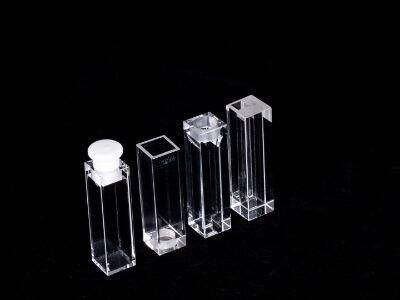
Kuvet merupakan alat yang sangat penting dalam makmal serta dalam pengukuran cahaya, di mana anda boleh menjalankan eksperimen anda. Kuvet mengandungi sampel cecair yang diuji terhadap pelbagai sifat. Namun, terdapat kelemahan dalam menggunakan kuvet kaca dan kuarza yang tidak sesuai. Ini mungkin memberikan bacaan yang salah dan pastinya akan menyukarkan proses navigasi. Di Jinke Optical, kami memahami betapa pentingnya memiliki kuvet yang tepat untuk mendapatkan keputusan yang akurat. Mengetahui cara mengesan ketidaksesuaian kuvet serta di manakah anda boleh memperoleh kuvet berkualiti tinggi dapat membuat perbezaan besar dalam kerja anda
Cara Membedakan Kuvet yang Tidak Sesuai untuk Mendapatkan Bacaan yang Akurat
Mengetahui cuvet yang tidak sesuai adalah sangat penting apabila anda menjalankan eksperimen dan berharap memperoleh hasil yang betul. Pertama sekali, anda perlu mengetahui jenis cuvet yang diperlukan. Anda mungkin lebih selesa menggunakan cuvet kaca jika mengukur cahaya kelihatan, atau cuvet kuartz jika ingin mengukur julat ultraungu. Jika anda keliru antara keduanya, bacaan anda boleh menjadi sangat tidak tepat. Salah satu cara untuk memeriksanya ialah dengan hanya melihat bahan pembuatannya. Kaca cuvet mungkin kelihatan kehijauan manakala kuartz kelihatan jernih. Anda juga boleh mengukur ketebalannya; kuartz biasanya lebih nipis daripada kaca. Petua lain ialah memeriksa label. Sebilangan cuvet dilabelkan mengikut jenisnya. Jika tiada tanda pengenalan, pertimbangkan sumber asalnya. Jika cuvet-cuvet tersebut datang dalam sebuah kotak yang bercampur dengan cuvet lain, kemungkinan besar anda tidak mempunyai pasangan yang sesuai
Jika anda mempunyai spektrofotometer, adalah lebih baik untuk menjalankan sampel kosong terlebih dahulu. Dengan cara ini, kita mengukur sebuah kuvet yang hanya mengandungi pelarut. Jika tidak, maka mungkin terdapat masalah jenis kuvet (bacaan bagi sampel kosong tidak menghasilkan nilai yang sepatutnya). Anda juga perlu membandingkan jalan optik kedua-dua kuvet tersebut. Jika dimensi atau bentuknya berubah-ubah, maka penyebaran cahaya akan berbeza, seterusnya memperkenalkan ralat. Ingatlah hal ini dan sentiasa semak semula kuvet anda setiap kali memulakan eksperimen.
Dapatkan Kuvet Kaca dan Kuarsa Berkualiti Tinggi Di Sini Untuk Keputusan Yang Tepat
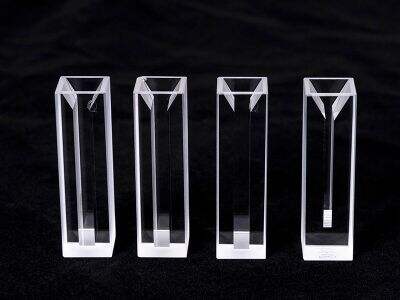
Tiub uji yang betul amat penting untuk menghasilkan hasil yang cemerlang. Di Jinke Optical Instruments, kami menawarkan tiub uji kaca dan tiub uji kuarsa berkualiti tinggi untuk semua jenis kegunaan. Anda boleh memesannya melalui kedai dalam talian kami serta melalui pengedar terpilih. Apabila membeli tiub uji, pastikan anda membelinya daripada sumber yang boleh dipercayai. Tiub uji berkualiti tinggi yang diperbuat dengan tepat, boleh digunakan berulang kali. Lebih baik memiliki tiub uji yang baik berbanding menggantinya secara kerap.
Anda juga boleh membaca ulasan dan penarafan daripada pengguna lain. Ramai saintis melaporkan pengalaman mereka sendiri, dan ini mungkin menjadi salah satu cara bagi anda untuk memilih kuvet yang paling sesuai dengan keperluan anda. Harga berubah-ubah, tetapi perlu diingat bahawa produk yang lebih murah mungkin tidak tahan lama. Bahan pembuatan kuvet juga penting. Sebagai contoh, kuvet yang diperbuat daripada kuartz umumnya lebih mahal berbanding yang diperbuat daripada kaca kerana kuartz mampu menampung julat panjang gelombang yang lebih luas. Ini bermakna kuvet jenis ini biasanya bernilai sebagai pelaburan, terutamanya jika anda memerlukan bacaan yang tepat dalam julat ultraungu (UV).
Seperti membeli secara dalam talian, jika anda tinggal berdekatan dengan kedai yang mengkhususkan diri dalam bekalan makmal, kedai tersebut juga mungkin dapat menyediakan apa yang anda perlukan. Kadang kala, anda boleh mendapatkan tawaran menarik jika terdapat jualan istimewa atau jika anda membeli secara borong. Saya juga suka mempunyai beberapa buah tiub cuvet tambahan di tangan. Dengan cara ini, anda tidak perlu menghentikan kerja anda sekiranya berlaku masalah. Dengan tiub cuvet premium Jinke Optical, anda boleh mengharapkan kualiti yang konsisten dalam setiap penggunaan demi keselamatan diri anda
Cara Terbaik Mencapai Ketepatan Pengukuran dengan Bahan Tiub Cuvet yang Betul
Di dalam makmal, alat-alat yang anda gunakan adalah sangat penting terhadap cara anda mengukur sesuatu. Salah satu peralatan tersebut dikenali sebagai kuvet. Kuvet ialah bekas kecil yang mengandungi cecair untuk diuji oleh para saintis. Kuvet tersedia dalam pelbagai jenis bahan, termasuk kaca dan kuartz. Memilih kuvet yang sesuai boleh memberi kesan besar terhadap ketepatan pengukuran anda. Kuvet kaca biasanya lebih murah dan boleh digunakan untuk beberapa ujian. Namun, kaca menyerap sebahagian cahaya, yang mungkin menyebabkan hasil pengukuran menjadi tidak tepat. Sebaliknya, kuartz cuvet tidak menyerap cahaya dan mampu menghantar lebih banyak jarak gelombang. Oleh itu, bahan ini merupakan pilihan yang lebih diutamakan untuk banyak eksperimen, terutamanya jika anda menghendaki hasil yang sangat tepat. Jika anda bekerja dengan cahaya UV atau perlu mengesan kuantiti kecil suatu bahan, sekali lagi tiub cuvet kuarza dari Jinke Optical merupakan pilihan terbaik. Tiub ini membantu anda memvisualisasikan hasil sebenar tanpa sebarang bias. 1 Untuk ketepatan pengukuran, sila pertimbangkan dengan teliti benda yang sedang anda ukur dan jenis cahaya yang digunakan. Bahan Tiub Cuvet Adalah Penting: Jika anda mengambil masa untuk memilih bahan tiub cuvet yang sesuai, anda akan dapat mempercayai hasil eksperimen anda
Di Mana Mencari Tiub Cuvet Kaca dan Kuarza yang Boleh Dipercayai untuk Aplikasi Anda
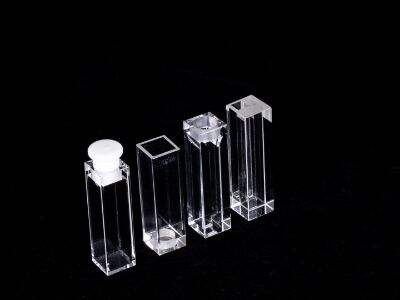
Adalah penting untuk mencari kuvet yang betul bagi eksperimen anda. Anda perlu memastikan bahawa kuvet yang anda pilih adalah boleh dipercayai dan dibuat dengan baik. Saya cadangkan Jinke Optical sebagai tempat yang baik untuk memulakan. Mereka menawarkan pelbagai kuvet, sama ada daripada kaca atau kuartz, yang sesuai untuk kebanyakan aplikasi ujian. Apabila membeli kuvet, perkara pertama yang perlu anda lakukan ialah menentukan sama ada kuvet tersebut direka khas untuk jenis pengukuran yang akan anda lakukan. Sebagai contoh, jika anda perlu mengukur sampel yang sensitif terhadap UV, gunakan kuvet kuartz daripada Jinke Optical. Anda juga perlu mencari kuvet yang dibuat dengan teliti tanpa sebarang cacat. Ini akan membantu memastikan ketepatan pengukuran anda. Kuvet sering kali boleh didapati di kedai dalam talian atau di kedai bekalan sains. Pastikan anda membaca ulasan, atau bertanya kepada guru dan saintis untuk mendapatkan cadangan. Membeli daripada pembekal yang boleh dipercayai seperti Jinke Optical juga dapat memudahkan proses anda dan mengelakkan masalah pada masa hadapan. Ingat: kualiti eksperimen anda bergantung kepada kualiti alat yang digunakan, jadi pilihlah dengan bijak
Jebakan biasa yang harus dielakkan semasa memilih kuvet, dan bagaimana ia mempengaruhi pengukuran anda
Jika anda memilih kuvet yang salah, ia boleh menyebabkan kesilapan besar dalam eksperimen anda. Satu kesilapan biasa yang mungkin berlaku ialah menggunakan kuvet kaca bukan kuvet kuartz. Seperti yang saya nyatakan sebelum ini, kaca boleh menyerap cahaya dan mengganggu bacaan anda. Ini boleh mengakibatkan hasil yang salah, sehingga kelihatan seolah-olah kandungan suatu bahan itu kurang atau lebih daripada sebenarnya. Kesilapan kedua ialah tidak membersihkan kuvet dengan betul sebelum menggunakannya. Cap jari atau habuk pada kuvet akan menghalang cahaya dan memutarbelitkan hasil. Ingatlah untuk membersihkan kuvet anda dengan kain lembut dan larutan pembersih yang sesuai setiap kali digunakan. Dan kadangkala orang lupa untuk menggunakan sebuah cuvette yang sepadan dengan peranti yang mereka gunakan. Pertimbangan juga mungkin perlu diberikan kepada peralatan pengukuran: tidak semua kuvet berfungsi secara efektif dengan semua peranti pengukuran, jadi kesesuaian perlu dipertimbangkan. Jika anda menggunakan kuvet yang terlalu tebal atau terlalu nipis untuk instrumen anda, bacaan yang diperoleh mungkin tidak tepat. Ralat-ralat ini boleh menelan kos masa dan bahan, serta menyebabkan salah tafsir terhadap hasil anda. Jinke Optical memahami cabaran-cabaran ini, dan oleh itu mereka memberikan petunjuk mengenai pemilihan kuvet yang sesuai. Elakkan kesilapan-kesilapan ini supaya anda dapat memperoleh hasil yang lebih tepat dan menjalankan eksperimen yang kelihatan lebih baik. Cukuplah melambatkan sedikit langkah dan renungkan kuvet yang sedang anda gunakan—semuanya akan berjalan lancar.
Jadual Kandungan
- Cara Membedakan Kuvet yang Tidak Sesuai untuk Mendapatkan Bacaan yang Akurat
- Dapatkan Kuvet Kaca dan Kuarsa Berkualiti Tinggi Di Sini Untuk Keputusan Yang Tepat
- Cara Terbaik Mencapai Ketepatan Pengukuran dengan Bahan Tiub Cuvet yang Betul
- Di Mana Mencari Tiub Cuvet Kaca dan Kuarza yang Boleh Dipercayai untuk Aplikasi Anda
- Jebakan biasa yang harus dielakkan semasa memilih kuvet, dan bagaimana ia mempengaruhi pengukuran anda