EN
EN
 AR
AR
 BG
BG
 HR
HR
 CS
CS
 DA
DA
 NL
NL
 FI
FI
 FR
FR
 DE
DE
 EL
EL
 HI
HI
 IT
IT
 JA
JA
 KO
KO
 NO
NO
 PL
PL
 PT
PT
 RO
RO
 RU
RU
 ES
ES
 SV
SV
 TL
TL
 ID
ID
 LV
LV
 SR
SR
 SK
SK
 UK
UK
 VI
VI
 HU
HU
 MT
MT
 TH
TH
 TR
TR
 FA
FA
 AF
AF
 MS
MS
 GA
GA
 IS
IS
 LA
LA
 KK
KK

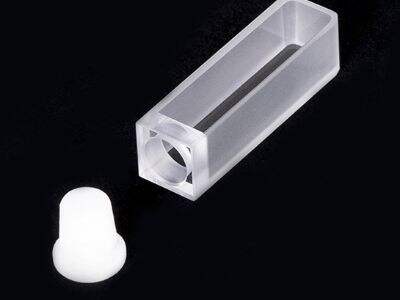
The selection of a four clear side fluorescence cuvette may be essential in order to obtain the best results in your laboratory experiment. At Jinke Optical, we understand that having the right gear is a game changer. When you want your experiments to yield clear results, the quality of your cuvette makes a difference. These are called fluorescence cuvettes, and they’re containers that everyone uses in the lab that hold whatever liquid you need to test. They’re made to have light pass through them, so you can measure how much light is absorbed or emitted by the things held within. This is crucial for various experiments in chemistry and biology. Choosing the right cuvettes is not necessarily straightforward, though a bit of fun in getting educated on what to look for.
Select the Best Fluorescence Cuvette for Your Lab Requirements
When choosing a fluorescence cuvette, first consider its size and shape. Cuvettes themselves can be a range of sizes, for instance 1 mL or 3 mL, but they are typically rectangular or square. It’s easier to decide which one is the best if you already know what type of samples you will be testing. For example, if you are using smaller amounts of sample, then use a smaller cuvette. It helps you save materials. The composition of the cuvette is significant as well. Some are glass and some are plastic cuvettes. Relatively, glass cuvettes are better for obtaining readings as they do not tend to absorb light. Plastic cuvettes, however, can be less expensive and weigh less. If you’re starting from scratch or running little experiments, plastic ones could be just the ticket.
Then, we must think about the path length of the cuvette. This is how long the light has to travel through the liquid. Standard cuvettes have a path length of 1 cm, but other lengths (shorter or longer) are available. If you are working with very dilute samples, a longer path length will help to provide even more accurate readings. Another aspect to consider is the cleanliness of cuvette. Be certain to select cuvettes which are offer easy cleaning or arrive pre-cleaned. This is to prevent contamination that could potentially influence your results. Lastly, consider how many cuvettes you will be using. If you test frequently, it may be more cost-effective to buy in bulk. We offer bulk items for many of our cuvettes, so labs can replenish their supply.
Wholesale Prices on Fluorescence Cuvettes
The best way to save money and time in the lab is find a great deal on fluorescence cuvettes. At Jinke Optical, we offer competitive pricing for those who purchase in bulk. Usually you can get discounts for more than just 1 or a few fluorescence cuvette. This is a smart way to pluralize especially if you anticipate needing them for multiple projects. In addition to searching for wholesale prices, another good way to find deals is to check online. The majority of websites have sales or offer promotions at certain times in the year. When shopping, always read customer reviews. This may help you determine how well the cuvettes work, and whether they satisfy your requirements.
You can also try alternative options: Visiting local suppliers. On occasion, you can find a better deal by speaking with sales representatives who might be able to offer discounts or deals not advertised online. They may have samples you can try before placing something more substantial. Ask about the company’s return policy, too. And knowing that you can return an item if it just doesn’t suit your needs can have a way of emboldening your online purchases. Finally, never fail to contrast prices from multiple places. And sometimes, a slightly higher price indicates better quality. It might be worth spending a bit more in order to have cuvettes that works better during the course of your experiments. Jinke supply the best quality cuvettes for lab workers and scientific researchers.
Four-sided Fluorescence Cuvettes: What You Need to Know About Common Usage Problems?
Some common issues for people using four-sided fluorescence cuvettes. Now first off, please know these cuvettes have four clear walls which aid in allowing light to penetrate the liquid within. But if the cuvette is dirty or scuffed, it can introduce errors into measurements. Always take care of cuvettes and clean them well. Wipe off fingerprints or dust with a soft cloth or special cleanser.
An additional problem is the cuvette has to be filled appropriately. If you don’t fill it or you overfill it, you may not receive accurate results. The volume of the liquid is right, often indicated on the cuvette. Filled too high, the liquid can spill; too low and there will not be enough liquid for the light to transmit properly.
And sometimes, people forget to account for the temperature of the liquid they’re testing. The fluorescence signals were also temperature dependent. You will want to allow the liquid to reach the right temperature before placing in a cuvette. And remember, different fluids will fluoresce differently. Which means that the one cuvette might give us a different result when we test it with another substance.
Lastly, lighting is important. Be certain to use the proper type of light source for your experiments. If the light is too weak or too strong, that can interfere with how well the cuvette functions. Cuvettes that are user friendly and prevent these issues can make your life easier by not having to worry about them, you can concentrate on achieving optimal test results. JinKe Optical Instrument Co., Ltd makes cuvettes in this way.
How to choose a Fluorescence Cuvette for your Experiments?
Selecting the right fluorescence cuvette is critical to achieving the best results in your experiments. A perfect cuvette should be constructed with the best quality materials such as quartz or glass. These are transparent materials and allow the light to completely go through with no effect on the readings. Jinke Optical provides these cuvettes made of those materials so that you get superior quality for your studies.
Another aspect is the dimension and shape of the cuvette. A standard cuvette generally is 1 cm, which works well for the majority of experiments. But if you are going to be analyzing very small or very large samples, it’s better to get a cuvette that matches more closely what you’re after. Jinke Optical offers multiple sizes so you can find the right one for your experiments.
The thickness of the cuvette sides is also critical. Some tests benefit from having some of the light pass through thinner sides. (Fatter sides can work better for very bright samples, however. Care should be taken to select a cuvette with the same visual brightness as that of the sample, in order to obtain correct readings.
Lastly, the layout of the cuvette may also impact the ease usage. Seek out cuvettes that have elements such as easy-to-hold edges or distinct marks for filling so you don’t forget to stop the path of light passing through it. This way you will be able to work fast and not mess up. Cuvettes by Jinke Optical have been specially designed to ensure that they are easy to use and dependable; therefore, you can focus on your testing without worrying.
Fluorescence Cuvette Guide – Tips, Troubleshooting and More
There are a few things you can do to ensure that you're getting accurate measurements with your fluorescence cuvette. The first rule is to calibrate the device at the beginning of your experiments. Calibration is all about ensuring that your measuring tool functions properly. That’s akin to trying to determine if a scale is fair before you weigh anything. Use known standards to aid in the calibration. This will help ensure that your cuvette and instrument are providing accurate readings.
Second, have uniform procedures. That means doing everything the exact same way every time you run an experiment. For instance, always use the same volume of liquid in your cuvette, and measure at the same temperature. This will allow you to compare results and check for changes.
Next, be attuned to the environment in which you’re working. Elements such as light and temperature can have an impact on what you’re measuring. Work in a location with stable temperature and minimal brightness. You can also keep outside light to a minimum with the use of a dark room or special box.
Finally, it is important to record all data carefully. Then keep good notes of everything you try, the state in which you find the experiment and what if anything that you observe. It will allow you to notice patterns in your results and learn what works best. You can feel confident that you are purchasing a high quality product for the best possible value with Jinke Optical cuvettes.
Table of Contents
- Select the Best Fluorescence Cuvette for Your Lab Requirements
- Wholesale Prices on Fluorescence Cuvettes
- Four-sided Fluorescence Cuvettes: What You Need to Know About Common Usage Problems?
- How to choose a Fluorescence Cuvette for your Experiments?
- Fluorescence Cuvette Guide – Tips, Troubleshooting and More