EN
EN
 AR
AR
 BG
BG
 HR
HR
 CS
CS
 DA
DA
 NL
NL
 FI
FI
 FR
FR
 DE
DE
 EL
EL
 HI
HI
 IT
IT
 JA
JA
 KO
KO
 NO
NO
 PL
PL
 PT
PT
 RO
RO
 RU
RU
 ES
ES
 SV
SV
 TL
TL
 ID
ID
 LV
LV
 SR
SR
 SK
SK
 UK
UK
 VI
VI
 HU
HU
 MT
MT
 TH
TH
 TR
TR
 FA
FA
 AF
AF
 MS
MS
 GA
GA
 IS
IS
 LA
LA
 KK
KK

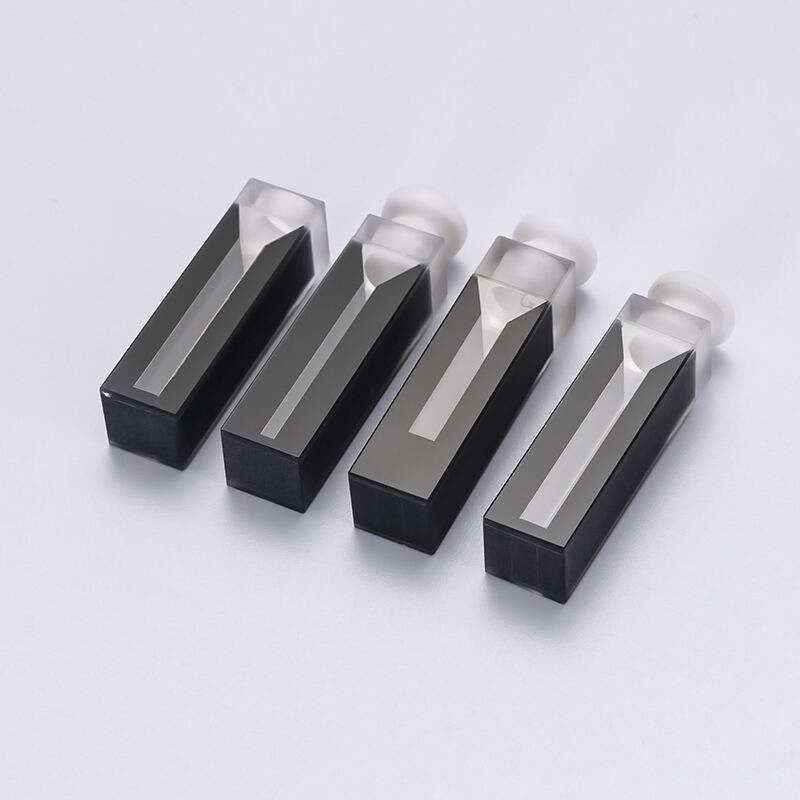
Chromic acid, particularly when cleaning quartz cuvettes, should be handled with great care. Chromic acid is a very strong substance and can be dangerous if not used with care. Jinke optical do hope everyone knows how to work safely with this material. It is important to get clear and accurate results on experiments so that cleaning the quartz cuvettes is required. But it can also be hazardous if the proper procedures are not maintained. Understanding the best practices for using chromic acid, and how to dispose of it safely after cleaning is important. This is so we can be safe and keep the environment clean.
Best Practices
Always remember to wear, when using chromic acid. For this you’ll likely want chemical-resistant gloves, goggles for your eyes and a lab coat to cover your skin. Be sure to work in a well-ventilated space. If possible, use a fume hood. This is to keep at bay any injurious fumes generated by chromic acid. Before you begin, read the label and know the risks. You must be prepared in the event of an emergency. For example, if the acid is spilled, collect it using suitable materials. Keep a first aid kit at hand and know how to use it. Never combine chromic acid with other materials unless the combination has been proven safe. Mixing can create dangerous reactions. When you no longer need the use of chromic acid, make sure that the container is well sealed again. Keep it in one place and label it, and make sure that people know that's your hazardous stuff.
How To Safely Dispose Of Chromic Acid After Quartz Cuvette Cleaning
When discarding chromic acid there are procedures that you should go through. Refuse to pour it down the sink or toss it in a trash can. Here’s what you should do first: Contact Your local waste removal service and Ask them about their protocol for hazardous waste. Some places have specific rules for discarding materials such as chromic acid. You might have to use a specific hazardous waste container. Just make sure that it is properly labeled. This is so other know it has poison in it. When the container is packed, reach out to your local hazardous waste center for a drop-off or pickup. Never attempt to get rid of it yourself. If you have any questions about disposal do not hesitate to ask a supervisor or safety officer. They will be able to direct you accordingly, so that you are doing things properly. And remember: disposing of it properly is as important as handling it safely. It is good for the environment and safe for all individuals.
Recognizing and Controlling Hazards of Chromic Acid Use
Chromic acid is a strong cleanser. It is frequently used to clean quartz cuvettes in the laboratory. But it can be dangerous if not consumed responsibly. Throughout all of the manufacturing stages, to ensure this safety is maintained it's necessary to understand the risks of chromic acid and how those ricks can be mitigated. So first, how do we spot the risks? On the skin, hexavalent chromium can produce burns, while it can damage the eyes. It can also give off dangerous fumes that you should never breathe in. When using chromic acid, always be clear on what the label or warning on the container states. These labels will let you know what safety measures to follow.
“Myopic decision makers need to look not only ahead but also behind,” the team wrote in an email, so that they can at least prepare for disasters. Control what we cannot prevent Mitigating risks is next. NEVER handle chromic acid without a chemical resistant apron and face shield. That gear consists of gloves, goggles and lab coats. Be sure to work in a well-ventilated space, or if you have one available use a fume hood so that you aren't overwhelmed with crazy fumes. It is also recommended that you keep chromic acid stored in an area where it will be safe from other chemicals with which it might react. If it spills, clean it up on the spot per protocol. We recommend Jinke Optical also, that you always have a spill kit at hand: so whenever things go wrong, you are at the ready. No matter, also wash your hands after handling chromic acid, even with gloves. This will ensure that you don’t accidentally touch your skin or eyes.
Who Are the Best Wholesale Dealers for Chromic Acid and Quartz Cuvette?
It is important for any lab to have a good source of chromic acid and quartz cuvettes. Jinke Optical is a reliable brand that provides quality quartz cuvettes. Quartz cuvettes are a particular type of container used for experiments because light can easily pass through them. In the search for suppliers, it is important that one finds reliable and safe products. You’ll want to ensure that the chromic acid you get is pure and has been stored appropriately. This guarantees a thorough cleaning without extra risks.
Look for suppliers with a good track record when selecting one. A great supplier will have good ratings and be recognized for the quality of their customer service. They also should offer information on the product. However, never hesitate to inquire for the products if you are in doubt. Jinke Optical takes pride in good customer service and will ensure that their customers make informed purchase. Pricing is another consideration. Shop around for the best deal without sacrificing quality by comparing costs from multiple suppliers. Keep in mind that it's worth paying a little extra for safer, dependable items than to threaten your body with inferior products. Finally, review whether the supplier allows you to buy in bulk. Purchasing in bulk can be cost effective and ensure you always have an adequate supply for your laboratory requirements.
How Can We Train Our Staff How To Handle Chromic Acid Safely In The Lab?
The key to the safe use of chromic acid in laboratories is education. Jinke Optical holds that anyone of our staff should know the hazard of chromic acid and how to use it correctly. Begin by training all employees who will be exposed to chromic acid. The training should explain what chromic acid is, its hazards, and appropriate safety practices. Explain things in an easy to understand manner, using real life examples.
It’s a great idea to have your own safety manual. This guide would provide a step by step procedure for the safe cleaning of quartz glass cuvettes with chromic acid. Be sure to let injection partners know what protective gear will be needed and how they should respond in the event of an accident. Frequent safety meetings can be helpful in making sure everyone is aware and remembering to comply with their safety protocols. Educate your staff by allowing them to ask questions and share their experiences as it is a learning experience for everyone.
Another useful suggestion is to use visual cues. Signs placed around the lab can provide daily reminders of safety practices. These signs can consist of reminders to wear protective clothing, work in a well-ventilated area and the steps to take if there is a spill. Jinke Optical also recommends periodic refresher training to keep safety front and center in everyone’s mind. You can help make the laboratory a safer place for us all by supporting education and training.