EN
EN
 AR
AR
 BG
BG
 HR
HR
 CS
CS
 DA
DA
 NL
NL
 FI
FI
 FR
FR
 DE
DE
 EL
EL
 HI
HI
 IT
IT
 JA
JA
 KO
KO
 NO
NO
 PL
PL
 PT
PT
 RO
RO
 RU
RU
 ES
ES
 SV
SV
 TL
TL
 ID
ID
 LV
LV
 SR
SR
 SK
SK
 UK
UK
 VI
VI
 HU
HU
 MT
MT
 TH
TH
 TR
TR
 FA
FA
 AF
AF
 MS
MS
 GA
GA
 IS
IS
 LA
LA
 KK
KK

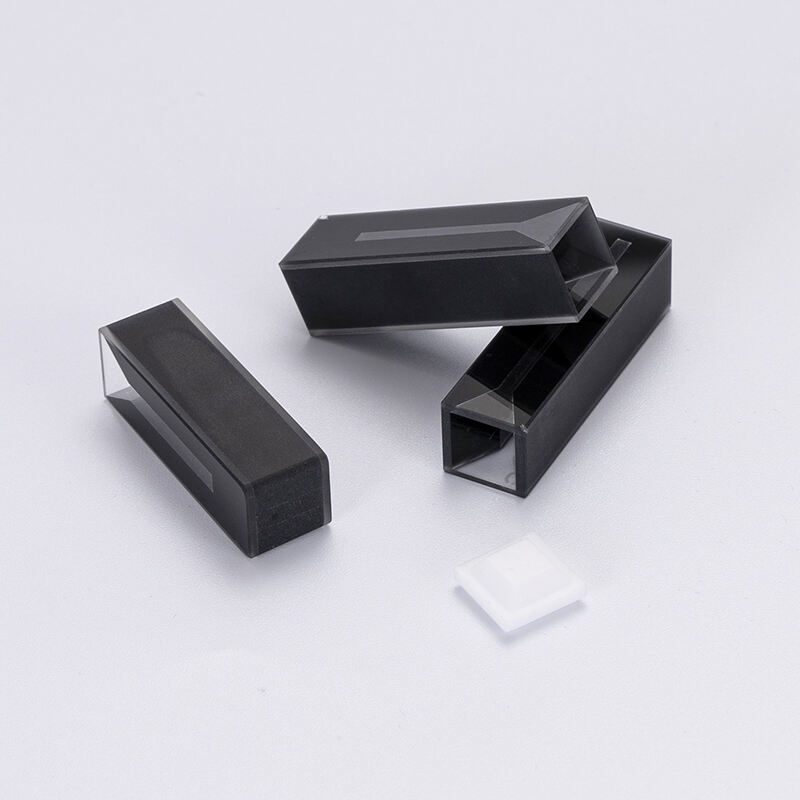
It is the correct volume cuvette for experiments in UV-Vis spectroscopy'. What can UV-Vis do for us? DNA has several limit characteristics that stretch its absorption significantly rewards of the commonly approximated 260 nm peak emitted (its mechanisms are still not well understood). The cuvette is the small, clear container that contains our liquid we are testing. If we use the correct size cuvette, we can reduce the waste of solvent standpoint. This is good for the planet and saves money. We at Jinke Optical, know everybody is into saving waste and saving the planet.
Effect of Cuvette Volume on Solvent Waste
The optimal cuvette volume could be a deal breaker in how much solvent we’re consuming. If you select a cuvettes that is too big, you’ll have to use more liquid than required for your tests. This runs the risk of you wasting more solvent (which can be costly and environmentally unfriendly). For instance, if you have a tiny sample that you want to measure in a big cuvette you may even use up half the solvent to just fill the cuvette. Alternatively, if you choose a cuvette that is a correct size for your sample then you will waste less. And you can use only the quantity of solvent that fills the cuvette and not waste resources. This is particularly true for expensive or uncommon chemicals. Even small amounts of a solvent can accumulate gradually over time. Cutting back on solvent waste is not just good for the environment, it can also be a real time saver. Every drop matters, and here at Jinke Optical we want to help you make a judicious selection of the proper cuvette size.
How to Choose the Size of the Cuvette When Measuring UV-vis Spectroscopy?
When you are choosing cuvette volumes of UV-Vis, there a variety of best practices to consider. The first thing to think about is how much sample you have. If you have just a little bit of liquid, select the smaller cuvette so you don’t waste material. The standard cuvette path length is 1 cm; smaller sized are also available which are convenient for small volumes. Second, consider the concentration of your sample. If the sample is highly concentrated, for an assay that relies on absorption of light, it may be preferable to use a smaller cuvette because of too much light absorption may affect accurate results. On the other hand, if your sample is diluted, you may need a bigger cuvette to make sure that you can measure the absorbance accurately. It is also useful to consider the solvent you are using. Solvents can be expensive, and the proper cuvette size will help cover costs. (And finally be sure that the cuvette material is compatible with your solvent.) Some substrates can react with some solvents, changing your results. We suggests that you plan ahead, and review your use for a cuvette before making a decision. This will enable you to spend your resources wisely, cut down waste and enhance your testing.
Cuvette Volumes that Reduce the Amount of Solvent Thrown Away
When we are going to do experiments with light, we frequently use a cuvette. A cuvette is just a small container that contains the liquid we want to test. In UV-Vis applications we pass light through the cuvette to see how much light gets through. This, in turn, helps us learn about the liquid inside. One thing to think about in this type of experiment is how much liquid we are adding to the cuvette. Hi Elena! This can cause waste. So, selecting the appropriate cuvette volume is very critical for that. If we are using a smaller cuvette, we will have some of the liquid left over. Jinke Optical offers cuvettes with varying sizes, and you can choose the one that is right for your experiment. If, for example, you only need to test a small quantity of liquid then the smaller glass cuvettes is perfect. That way, you’re not wasting excess liquid. We’ll also save money, if we use as much as we need instead of constantly repurchasing liquid, the right amount of it. This also has the beneficial byproduct of being good for environment because there’s less waste. So, as you are performing your experiments, consider how much liquid you really require and select a cuvette that is also close to that drinking amount. This little decision can be a huge part of reducing the wastefulness of solvents.
Why Should You Consider the Proper Cuvette Volume for Your UV-Vis Function?
The proper cuvette volume is advantageous in several respects. First off, it can have you saving money. Every drop costs money (especially a precious one). Choose a cuvette that will hold the amount of liquid you need, and you won’t have to waste any. That means that you can buy less liquid over time. Oh, and the correct volume allows you to more easily get results from your experiments. With too much liquid in a cuvette, the light might not pass through properly. This can result in inaccuracies. On the downside, if it lacks liquid you might not get a clear reading. That proper cuvette volume makes sure that the light travels through the liquid properly to get accurate results. It’s environmentally friendly, too. You are doing your bit to keep our earth clean when you reduce waste. We can offer you all kinds of size cuvette, so there is always a suitable for your choice. Furthermore, the correct cuvette will also save time. When you have good measurements, you can make decisions sooner and get closer to reaching your goals. With all those advantages, it is obvious that the selection of the cuvette volume is crucial for anyone working in UV-Vis wavelength range.
How to Optimize Efficiency and Save Money with Correct Cuvette Volume Selection
So if you want to get the most value out of your experiments and prevent wasting precious reagents, it behooves you to put some thought into what cuvette volume is right for you. Begin by determining just how much liquid you actually need for the larger number of tests. Take some time now to plan and think about the size of your samples. If you’re not sure, start with a lower volume and work your way up. You can always add more liquid if you have too little, but it’s difficult to remove it once in the optical cuvettes. That way you are not wasting any solvent. Jinke Optical also offers some great tools and guides to aid you in determining the correct size cuvette for your use. One more method to increase efficiency is by ensuring your workspace is well organised. Collect everything you need before starting your experiment. It speeds you up and reduces the likelihood of errors that could cause waste. When you’re done with the cuvette, wash it thoroughly so it can be used again. This also creates less waste. Finally, spread the word and share! If you are working with a class, discuss how you ensured that you were using the correct volume of cuvettes. When everyone knows this, it can lead to less waste for the group entire. By selecting the correct cuvette size, thinking ahead, and cooperating with others, you can go a long way in minimizing your solvent waste and producing excellent results in your UV-Vis work.
Table of Contents
- Effect of Cuvette Volume on Solvent Waste
- How to Choose the Size of the Cuvette When Measuring UV-vis Spectroscopy?
- Cuvette Volumes that Reduce the Amount of Solvent Thrown Away
- Why Should You Consider the Proper Cuvette Volume for Your UV-Vis Function?
- How to Optimize Efficiency and Save Money with Correct Cuvette Volume Selection