EN
EN
 AR
AR
 BG
BG
 HR
HR
 CS
CS
 DA
DA
 NL
NL
 FI
FI
 FR
FR
 DE
DE
 EL
EL
 HI
HI
 IT
IT
 JA
JA
 KO
KO
 NO
NO
 PL
PL
 PT
PT
 RO
RO
 RU
RU
 ES
ES
 SV
SV
 TL
TL
 ID
ID
 LV
LV
 SR
SR
 SK
SK
 UK
UK
 VI
VI
 HU
HU
 MT
MT
 TH
TH
 TR
TR
 FA
FA
 AF
AF
 MS
MS
 GA
GA
 IS
IS
 LA
LA
 KK
KK

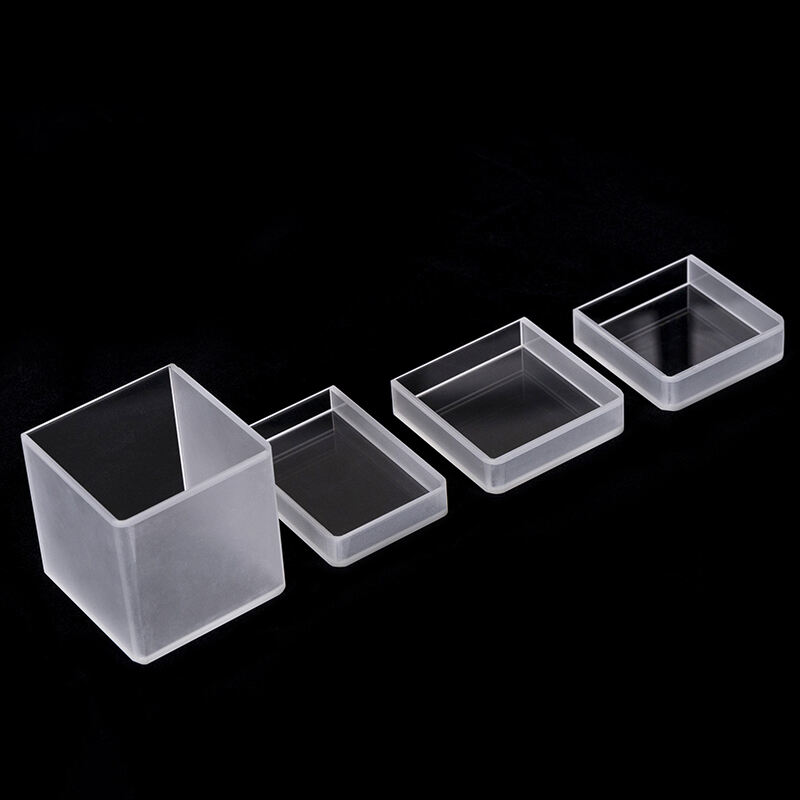
Strong acids can have a dramatic impact on the lives of glass and quartz cuvettes, which are widely used in labs as vessels for liquid during experiments. When subjected to strong acids, these can damage them and shorten the life of cuvettes. Glass is also typically more brittle than quartz. That’s because glass can react with acids, resulting in cracks and other damage. Quartz, on the other hand, is more durable and holds up better against strong acids. Yet it is not entirely resistant. Quartz, yes even quartz, can breakdown over time when subjected to acids. For those experimenting with cuvettes, it is essential that the right type be selected so they last longer and still work effectively.
What Wholesale Purchasers Should Know
If you are a wholesale buyer of cuvettes, it is important to have an understanding about how strong acids reduce the life span of the product. When choosing cuvettes, determine which materials are appropriate for your needs. Experiments with strong acids should be conducted using quartz cuvettes if available. They are costlier, but they may turn out to be more affordable in the long haul due to their longevity. Glass cuvettes can be less expensive, but they may deteriorate faster in harsh chemicals. It’s also necessary to assess the thickness of the cuvettes. Thicker glass cuvette may tolerate more stress and are less likely to break. If you don’t know what to buy, including Jinke optical I can tell you based on it. They know what buyers are looking for and can suggest the best options to meet your needs. And it’s a good idea to read reviews and get feedback from other users. This will guide you in making an informed decision on the cuvettes to buy for your laboratory.
The Best Source for High-Quality Cuvettes That Can Resist Strong Acid Damage
High-quality cuvettes that can withstand severe acid damage are really not as difficult to find as it may appear. Begin by finding quality manufacturers like Jinke Optical, who make some of the most long-lasting options available. You can check out their site, or simply click here to inquire about their quartz cuvettes. They usually include sensitive information about their products, like what materials are used and how well they hold up in acid. Also, see if they have a warranty or guaranty on their cuvettes. This proves that they value their products and are confident in the quality. High-quality cuvettes are also available at science supply shops or online retailers that sell lab equipment. It may be useful to pay attention to product descriptions to avoid any instance that is not convenient for you. Seek out that language in the descriptions acid-resistant or other indicators of durability. Finally, always inquire about discounts if ordering larger volumes. This can result in saving money on the best equipment for your lab.
Keep Glass and Quartz Cuvettes From Acid Popping
In science labs, glass and quartz cuvettes are one of the essential tools. They carry liquids for scientists to examine. Strong acids can damage these cuvettes, however. Over time, that can eat away at glass. This indicates that the cuvette can cloud over even break. Quartz cuvettes are a little more resistant to acids, but they can also be damaged. Cuvettes are kept out of acids to prevent damage. Jinke Optical manufactures cuvettes designed to withstand the attack of strong acid. Using correct cuvette will eliminate worry of tool with which scientist get rightly results.
Always be sure to rinse with water after acid use to protect the cuvettes, both glass and quartz. This washes away any remaining acid from the surface. It's a good idea to store these cuvettes in a safe place where they won't be damaged by toxic chemicals. Keeping cuvettes safe by having a special place for acid work. If you observe evidence of damage, such as scratches or foggy, it is best to discontinue use of that cuvette.” Jinke Optical cuvettes are manufactured from top quality materials to help eliminate the concerns for corrosion by acid, but must be properly cared for. By doing so, scientists can maximize the life span and overall quality of their cuvettes.
What is the Proper Care of Cuvettes in Acidic Solutions?
It is very important to keep cuvettes in areas where strong acids are used. First, always put on gloves whenever working with acids. This will keep the cuvettes clean and defend your hands. Use instruments such as pipettes or droppers, not the original bottle, when handling acids. This reduces the risk of spills, which might harm cuvettes. Always rinse a cuvette with plenty of water soon after it has been used. This is important as it cleans away any remaining acid that may be harmful. Jinke Optical suggests the use of a mild cleaning agent to get rid of difficult stains and avoid scratching the cuvette.
Next, store cuvettes properly. Store them in a drawer or cabinet that is labeled for use with acids. They also won’t accidentally go into regular glassware. If you will be using more than one cuvette, label them so that you can tell which are the acidic solution and which ones are not. Do not expose cuvettes unprotected, do not stack up upon one another!. -scratching. If you must take them on the road, secure in a padded container. To maintain in excellent condition, regularly inspect cuvettes of possible damage cracks or frosted surfaces. Replace any that are flawed. With the right care, cuvettes from Jinke Optical are durable and long-lasting enough to help in all of your experiments.
Material Quality as a Factor of Cuvettes’ Resistance to Strong Acids
It turns out that the material used to manufacture cuvettes has a lot of say in how well they can resist strong acids. Glass cuvettes are also possible, but more susceptible to acid-attack. The same is true with whatever quality of glass you’re dealing with. Good-quality glass is the one that won’t break down when exposed to acid. By contrast, quartz cuvettes are frequently more acid-stable. They are more resistant to harsh chemicals than standard glass. Jinke Optical Torpedo cuvettes are constructed from high quality materials, ensuring they're tough enough to be used over and over again. In other words, scientists can rely on their cuvettes to last even longer than before especially under harsh conditions.
In the selection of a cuvette, it is most important to factor in the nature of experiments to be conducted. If you know that you are working with potent acids and chemicals, a premium Jinke Optical quartz cuvettes is the right choice. These cuvettes are able to survive a rough environment and contribute the production of reliable results. While low-quality cuvettes might be less expensive up-front, they end up costing you more in the long run. They may break frequently, or may give inaccurate readings circumstances that can vex scientists. The right material also can allow the cuvettes to be used multiple times without becoming ineffective. Well our cuvettes may be cheap, but investing in good quality is definitely a smart move if it's going to save you from inconsistent results.