EN
EN
 AR
AR
 BG
BG
 HR
HR
 CS
CS
 DA
DA
 NL
NL
 FI
FI
 FR
FR
 DE
DE
 EL
EL
 HI
HI
 IT
IT
 JA
JA
 KO
KO
 NO
NO
 PL
PL
 PT
PT
 RO
RO
 RU
RU
 ES
ES
 SV
SV
 TL
TL
 ID
ID
 LV
LV
 SR
SR
 SK
SK
 UK
UK
 VI
VI
 HU
HU
 MT
MT
 TH
TH
 TR
TR
 FA
FA
 AF
AF
 MS
MS
 GA
GA
 IS
IS
 LA
LA
 KK
KK

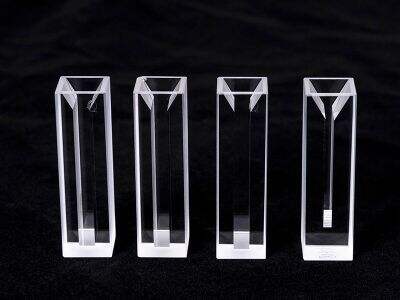
The selection of the right cuvette for colorimetric analysis is critical if you expect accurate results. A cuvette is a small vessel for holding liquid samples to be tested. This allows light to go through the sample so that we can observe how much color is present. This colour can inform us about the properties of the sample. For instance, if you were checking water for pollution, the color changes would indicate how clean or dirty the water was. We appreciate how important a choice of the perfect cuvette is to our customers at Jinke Optical. This enables you to get the most accurate readings for your testing
How to Choose Cuvettes for Colorimetric Analysis
There are some important things to keep in mind when selecting a cuvette. First, size matters. Cuvettes are available in various sizes, such as 1 and 5 cm, the most frequently used having a path length of 1 cm. such as light propagates 1 cm into the sample. If a cuvette is too large or too small, it can affect the results. Also, pay attention to the material. The majority of cuvettes are constructed out of glass or plastic. Glass cuvettes are for more precise measurements; the plastic ones are cheaper and fine for a one-time test. Then, think about the shape. Cuvettes come in straight or round shapes. Straight sides mean light passes through evenly, yielding superior results
Another one is the wavelength coverage. Various color tests require different wavelengths of light. Be sure that the cuvette you select is compatible with the particular light source you will use. also do you see how clean your cuvette are? If it has scratches or dirt, that can affect how the light is coming through and the color that you see. For the most accurate readings, use clean cuvettes. And last of all, make sure to think about just how many you will need. As with so many things it’s often a good idea to buy in bulk and save yourself money, particularly if you’re planning on running lots of tests. With so many cuvette options available, you can trust in anything from Jinke Optical
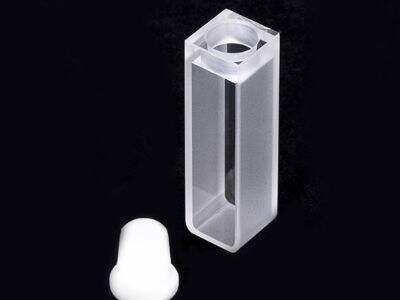
Where to Get Wholesale Cuvettes for Colorimetric Applications
Quality cuvettes at wholesale prices can make the process of testing both easier and more affordable. One of the best places to locate them is online. There are a lot of web sites that deal in lab supplies, and you can find many of them with bulk purchase offers. Cuvettes of Different Shapes and Sizes Jinke Optical also provides cuvette for sale in bulk suitable for schools, labs and companies. Whenever you do online shopping, be sure to search for reviews. Another customers can share with you on the quality of the cuvettes and how well they work for colorimetric tests
The second thing to do is shop around local suppliers. Sometimes, you can talk to someone in person to get a sense of what you’re dealing with. They can answer questions about the products and provide samples. A good supplier will also support you if you run into problems later. Always be sure to see whether they have a return option so you can send back any cuvettes that do not suit your purposes. Trade shows and science fairs are also good places to meet new suppliers, as you can talk to different firms and see the products up close. No matter where you buy from, just make sure the cuvettes are right for your testing. We specialize in the production of high quality cuvettes and accessories for clearer, more accurate results in your colourimetric analysis
When you do colorimetric analysis choosing the right cuvette is very important
The cuvette is a small container that contains the liquid to be tested. It aids in allowing the color of the liquid being measured to be read clearly. How to Choose the Best Cuvette for Your Spectrum Analyzer The complementary relationship between your colorimetric equipment and the best cuvette goes way further beyond a match in size. This entails determining whether your cuvette fits into your colorimeter or spectrophotometer, machines that measure how things look. Various machines may require cuvettes of different sizes or types, so be sure to check the instructions for your machine
At Jinke Optical, we offer cuvettes that work with all sorts of equipment. Also consider what kind of light your equipment emits. Some machines rely on UV light, some use visible light. The type of material the cuvette is made from influences how light passes through it. For instance, glass and plastic cuvettes are commonly utilized, but they have different light transmitting characteristics. It may have to accommodate the same style of light your machine emits without being a light blocker, so keep that in mind
One more thing to consider is the cuvette path length. That’s how thick the cuvette is. Certain colorimetric devices are optimized for certain pathlengths. If you use a cuvette that’s too thick or thin, the way the colors appear can alter leading to inaccurate results. So do look over the path length recommendations for using your gear. In short, to assure compatibility be sure that you are comparing the size, material and type of light when purchasing cuvettes for you colorimetric testing
When it comes to your colorimetric testing, when our attention to detail and accuracy matter most
The right cuvette can make a lot of difference in this area. First off, you need to ensure that the cuvette is clean before using it. Any dirt or even fingerprints can alter how the light passes through the cuvette and your results will be less reliable. At Jinke Optical we suggest that you clean the cuvette with a special solution as well as soft cloth to ensure its cleanliness
Next, what is the optical quality of the cuvette. Good quality cells allow light to pass through without distortion, allowing consistent readings. If there are scratches on the cuvette or it is made of an inferior material, it may not function properly.” It can also alter the colors you perceive. Selecting a quality constructed cuvette can allow you to achieve more accurate, reliable results
You'll also want to consider the volume of liquid that you will be wanting in the cuvette. Some cuvettes require a very specific amount of liquid in order to be the most effective. Have too little or too much and it can throw off your measurements. Read the directions included with your cuvette to see how much liquid you need. Keep in mind that choosing the right cuvette is similar to using the right tool for a job. It aids in everything and makes you have a better result in your Colorimetric analysis
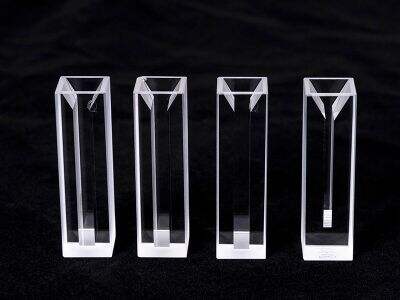
The type of cuvette you choose for colorimetry studies is essential
The material your cuvette is made from can have a variety of effects. Three types of materials are available, each with its own benefits. For instance, glass cuvettes are also more rugged and can be used over and over. They also offer good optical clarity, so they allow light to pass through without much distortion. But glass cuvettes can also be brittle and shatter, so you have to be careful sneaking them out for measurements
Plastic cuvettes, in contrast, are further less heavy and delicate than glass ones; therefore they are more convenient for everyday pick up of cuvettes - while being still able to use it at any workplace. They also tend to be cheaper than glass cuvettes. But not all the plastic cuvettes are optically equivalent. Some also may not allow light to pass through as well as glass, which could impact your results. We recommend that you check the technical specifications of each cuvette to see how they work with your specific type of analysis
Cuvette material, chemical resistance You may also want to take into consideration the chemical resistance of both the sample and cuvette material. And, if you’re dealing with powerful chemicals, then you certainly need a cuvette that those won’t damage. Some plastics can react with some chemicals, whereas glass is generally safe to use with practically anything. Finally, consider the conditions in which you will be employing the cuvette. In a lab where there is much movement, or possibility for accidents, you might to choose a plastic cuvette
When it comes to colorimetric whether in a laboratory or in the field, selecting the right cuvette can be overwhelming and time-consuming. These are the steps you should remember to ensure that your colorimetric studies go off without a hitch and deliver consistent results. Jinke Optical is your answer; we can provide you with the best cuvette
Table of Contents
- How to Choose Cuvettes for Colorimetric Analysis
- Where to Get Wholesale Cuvettes for Colorimetric Applications
- When you do colorimetric analysis choosing the right cuvette is very important
- When it comes to your colorimetric testing, when our attention to detail and accuracy matter most
- The type of cuvette you choose for colorimetry studies is essential