EN
EN
 AR
AR
 BG
BG
 HR
HR
 CS
CS
 DA
DA
 NL
NL
 FI
FI
 FR
FR
 DE
DE
 EL
EL
 HI
HI
 IT
IT
 JA
JA
 KO
KO
 NO
NO
 PL
PL
 PT
PT
 RO
RO
 RU
RU
 ES
ES
 SV
SV
 TL
TL
 ID
ID
 LV
LV
 SR
SR
 SK
SK
 UK
UK
 VI
VI
 HU
HU
 MT
MT
 TH
TH
 TR
TR
 FA
FA
 AF
AF
 MS
MS
 GA
GA
 IS
IS
 LA
LA
 KK
KK

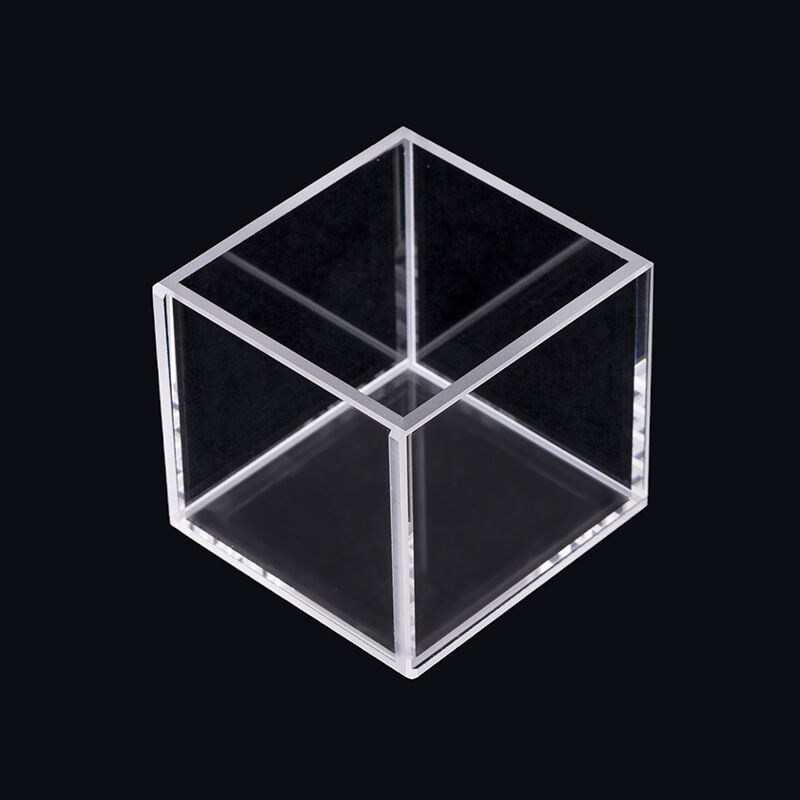
One has to be clear about the specifications when purchasing UV-Vis cuvettes. A cuvette is a small vessel used to hold liquids for analysis with a UV-Vis spectrophotometer. These devices allow scientists and researchers to quantify the amount of light a sample absorbs. If the cuvettes aren’t up to the necessary standards, the results can be inaccurate.” Jinke Optical hopes the following guide makes it easy for you to accurately set such standards as here so as not to limit the performance of your cuvettes. Let’s look into some key points to keep in mind when drafting these requirements/specifications and recommendations.
Pointers For Standardization in Cuvette Specifications
Some key factors to consider regarding specifications of cuvettes, when you are considering the parameters for cuvettes. The material of the cuvette is essential. Cuvettes are available in glass or plastic. For UV-Vis wavelengths, should I use glass cuvettes? Glass is generally more versatile for UV-Vis applications as it can handle a larger set of wavelengths. However, they are less sturdy than the plastic cuvettes. If you require something that can endure rough treatment, plastic may fit the bill just make sure it’s clear so someone can read an accurate measurement from it.
Also take into account the cuvette path length. That is the distance through which light passes the specimen. Typical path lengths are 1 cm – you can, however, get cuvettes of other sizes. A reduced path length may be more suitable for highly concentrated samples, while a longer path length is useful when the sample is diluted. You also have to consider the geometry of the cuvette. Some cuvettes (instead of being rectangular) are designed to modify the path of light through the sample.
One more consideration is the size. How much fluid do you have to analyze? Check the cuvette can accommodate enough sample for your tests (without waste). Also, cleanliness is crucial. They also need to be easy to clean, so as not to contaminate successive tests.
Finally, always keep price in mind. S electing Budget Friendly Cuvettes What ever cuvette you decide to invest in, finding the right balance for your budget as well as a necessary quality is key. It’s all about the tradeoff between cost and quality. Jinke Optical has a wide range of cuvettes that can fit any budget or requirements guaranteeing you get the best match for your particular projects.
Solutions and Tips
Selecting the right cuvettes is part of being a wise chooser. Yes, it is idea of creating a summary list of what you want. This gives you an easy way to compare different cuvettes. For instance, list the materials, path lengths and shapes that have proven effective for you. The clearer your checklist, the easier it is to decide.
Another advice is to seek help from the experts. And, at Jinke Optical, they make sure you have the support of experienced tech advisors to help guide you as you select the correct cuvette for your needs. Do not be afraid to ask for advice; it may save you a lot of time and money in the end.
You might also want to perhaps order a few cuvettes before you buy in bulk. So you can see how they do with your samples and equipment. Request samples from suppliers so you can test their clarity, strength and how well they work with your spectro-photometer.
Finally, record how you have fared with different cuvettes. Take notes about what works (and doesn’t)! This may assist with the gradual refinement of your specifications. By taking away lessons from each test, you can keep iterating on your procurement process to achieve maximum results for your projects.
It is more than a question of choosing a product It’s simply a matter of knowing your experiments and making sure the cuvettes you use with them are going to deliver results that you can depend upon. Jinke Optical is here to help as you embark on this new beginning and purchase the high quality products to suit your needs.
Best ways to maintain Cuvette quality consistency during procurement
We all know how important the quality of cuvettes is when buying for UV-Vis applications. That is to say, each cuvette should be constructed exactly the same and will perform well in the same manner for every use. To achieve this, companies such as Jinke Optical will have to establish standard guidelines for what a high-quality cuvettes should look like. The type of materials with which cuvettes are made is the first thing to be considered. For instance, cuvettes can be glass or some type of plastic. There are various advantages and disadvantages of these materials. Selecting better raw materials, Jinke Optical can ensure the cuvettes durable and resistant to the impact of testing.
It is also necessary to define cuvette dimensions. This includes the size and form in which they should all be identical for each cuvette. If the sizes are different, the test result can be different. So having a standard size makes sure scientists and researchers get accurate results. Jinke Optical is where you can find a long list of the size that fit every type of cuvette. While testing is another means of guaranteeing quality. Each lot of cuvettes must be tested for compliance with parameters established by Jinke Optical. This may consist, for example, of checking whether the cuvettes are transparent and function as reservoirs without leaking liquids. Frequent examinations ensure that any problems are caught early. Ultimately, communication with vendors is key! As Jinke Optical, they must have very tight connections with the cuvette manufacturer. To solve any problems, they can work together and ensure that each and every cuvette is of good quality.
Where To Find a Cuvette for Wholesale Buyer's Usage
Wholesale customers shopping for cuvettes should have access to resources they can rely on, so they know the product will meet their thoroughly tested standards. The best place to begin with your search is by finding the manufacturers that deal directly with laboratory equipments. Jinke Optical is just one example of a manufacturer specializing in producing UV-Vis quality cuvettes. The buyer may want to contact firms with a good industry reputation. That means seeking out companies with a track record and good reviews from other customers. They can review online testimonials or ask other buyers for referrals.
There are also excellent options for cuvette sources at science and lab equipment trade shows or conferences. Opportunities like this to talk to the people who actually make their goods don't come round very often. Buyers can also ask questions about the cuvettes, view samples and learn more about the companies. For instance, Jinke Optical could exhibit its products at those events so that buyers can get a feel for the quality. Buyers should also inquire about warranties or guarantees. When a business is willing to back their products, it's an indicator that they believe in the quality of what they are selling. This is a way to build trust between the buyer and seller. Finally, purchasers should also consider online distributors that focus on lab products. For a wide selection of cuvettes from all manufacturers, you can find several websites in the field of scientific equipment. But it's important to research and make sure the sellers are legit before ordering.
What are the Ideal Cuvettes for UV-Vis Analytical Applications?
One of the vital instruments in the PV-Vis-world is a cuvette, which is used to determine the extent to which a liquid sample absorbs light. Not every single cuvette is made to be equal, there are those that are better suited to this task than others. to be viable to UV-Vis use a cuvette must possess the following characteristics. The first is that the content is extremely significant. Practically, all other materials are not absorbed to the same degree of UV light as class or quartz Other potential cuvette materials are all types of glass, and quartz, and they tend to be less opaque than plastic. Jinke Optical takes good care of these marvelous materials and considers that cuvettes should also perform well when testing.
Another factor is the thickness of the cuvette walls. In case of too thick walls, they can block too much of the light thus, hampering readings. But when made thin, they might not be strong. The cuvettes made by Jinke Optical are of the right thickness and this also helps in achieving the correct results. The shape of the cuvette is important, as well. Cuvettes are often square shaped so that the path of light is constant. The cuvette sides through which the light passes should be flat as well. This is due to the fact that such flatness assists in passing the light through the sample in a uniform manner. Finally, the cuvette must be reusable and easy to clean. In the case of dirty or scratched quartz cuvettes, the results may be affected. Jinke optical has also ensured that their cuvettes are highly cleanable, the scientists are able to sterilize their cuvettes and use the similar glass multiple times without losing any accuracy. In a nutshell, what you require in a cuvette to operate in UV-Vis is the material, thickness, shape, and the ease with which it may clean. All these qualities lead to the CVT being a viable tool of providing accurate calculations.